Informative Blogs
 January 02, 2025
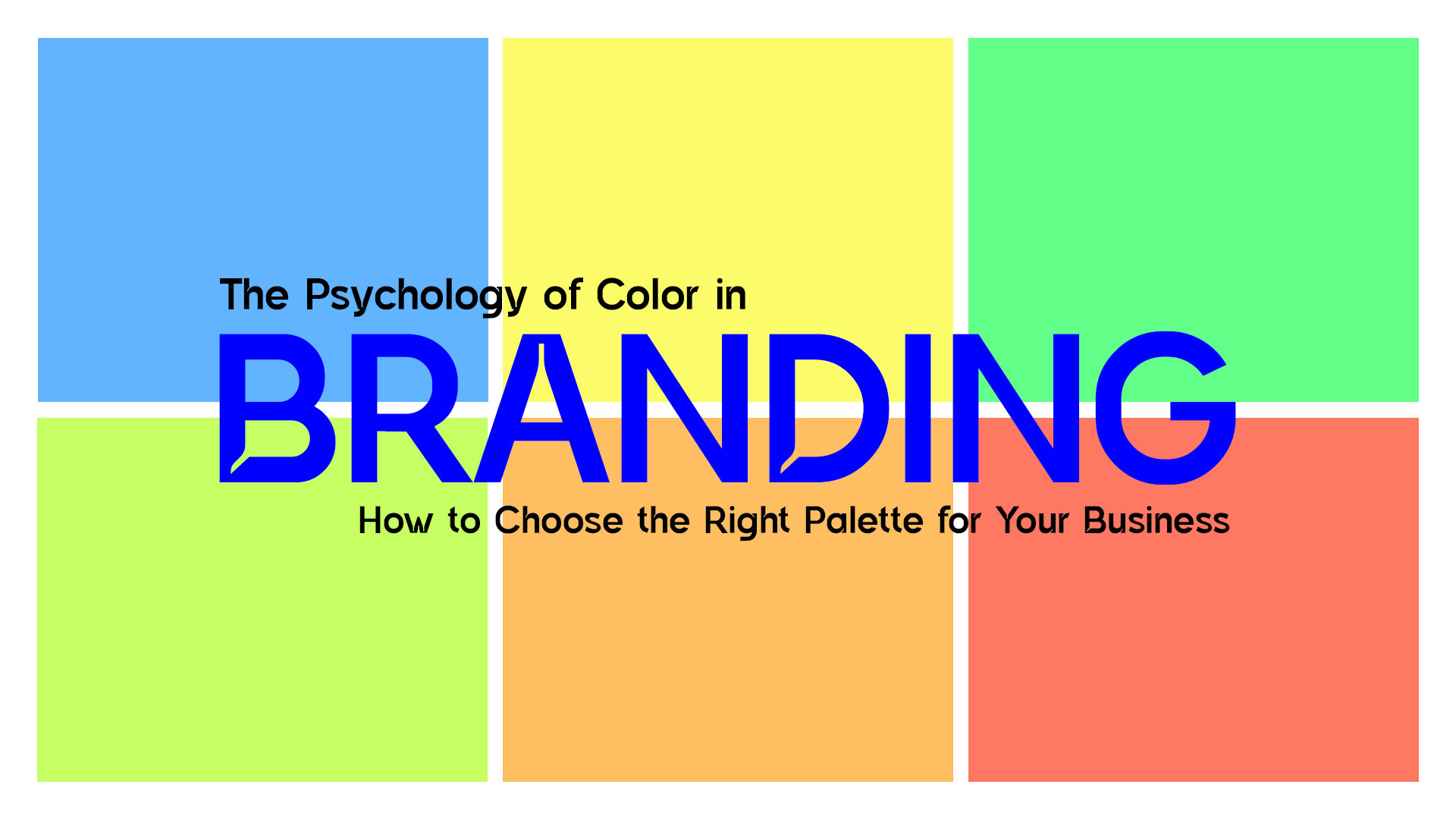
The Psychology of Color in Branding: How to Choose the Right Palette for Your Business
Color is more than just a visual element; it’s a powerful tool in branding that evokes emotions, conveys messages, and influences consumer behavior. Choosing the right color palette for your brand is a critical step in building a strong identity and creating a lasting impression. In this blog, we’ll explore the psychology of color, how it impacts branding, and tips for selecting the perfect color scheme for your business.
Introduction to Color Psychology
Color psychology studies how different hues influence human emotions and decision-making. Colors can evoke specific feelings and associations, which can play a significant role in how customers perceive your brand. For example:
- Red: Associated with passion, excitement, and urgency. Often used by brands like Coca-Cola to evoke strong emotions.
- Blue: Represents trust, stability, and professionalism. Popular among tech and financial companies like Facebook and PayPal.
- Green: Symbolizes growth, health, and sustainability. Ideal for eco-friendly or wellness brands.
Understanding these associations can help you align your branding with your desired audience perception.
Why Colors Matter in Branding
- First Impressions: Research shows that people form opinions about a product within 90 seconds, and up to 90% of that judgment is based on color alone.
- Emotional Connection: Colors trigger emotions and memories, helping brands forge deeper connections with their audience.
- Brand Recognition: Consistent use of colors increases brand recognition by 80%, making it easier for customers to remember and trust your brand.
The Psychology Behind Popular Colors
Here’s a breakdown of common colors and their psychological impact:
1. Red
- Emotion: Passion, energy, excitement, urgency.
- Best For: Food and beverage brands, retail, entertainment.
- Example: McDonald’s uses red to stimulate appetite and create a sense of urgency.
2. Blue
- Emotion: Trust, security, calmness, reliability.
- Best For: Financial institutions, healthcare, technology.
- Example: LinkedIn’s blue reflects professionalism and trustworthiness.
3. Yellow
- Emotion: Happiness, optimism, creativity.
- Best For: Child-focused brands, casual dining, innovative startups.
- Example: Ikea uses yellow to create a cheerful and inviting atmosphere.
4. Green
- Emotion: Growth, health, nature, balance.
- Best For: Environmental, wellness, and organic products.
- Example: Whole Foods Market uses green to emphasize its commitment to sustainability and health.
5. Black
- Emotion: Sophistication, luxury, authority.
- Best For: Luxury goods, high-end services.
- Example: Chanel’s black conveys elegance and exclusivity.
6. Purple
- Emotion: Creativity, royalty, ambition.
- Best For: Beauty, spirituality, and innovation.
- Example: Cadbury’s purple signifies indulgence and premium quality.
7. Orange
- Emotion: Energy, enthusiasm, warmth.
- Best For: Sports, adventure, and youth-focused brands.
- Example: Fanta’s orange reflects its fun and vibrant personality.
How to Choose the Right Color Palette for Your Brand
1. Understand Your Brand Personality
Your brand’s personality should guide your color choices.
- Is your brand playful and creative? Consider bright and bold colors like orange or yellow.
- Is it professional and trustworthy? Opt for blue or gray tones.
2. Know Your Target Audience
Different colors appeal to different demographics. Research your target audience to align your palette with their preferences and cultural context. For example:
- Millennials may respond well to pastel shades.
- An older audience might prefer classic, muted tones.
3. Analyze Competitors
Study your competitors to identify industry trends while ensuring your brand stands out. Avoid blending in by using overly common colors within your sector.
4. Use the 60-30-10 Rule
This classic design principle helps create a balanced color scheme:
- 60%: Dominant color representing your brand identity.
- 30%: Secondary color for contrast and balance.
- 10%: Accent color to highlight calls-to-action (CTAs) and other key elements.
5. Test and Iterate
Conduct A/B testing with your target audience to see how they respond to your chosen colors. Small tweaks can lead to significant improvements in engagement and conversions.
Cultural Considerations in Color Choice
Colors carry different meanings across cultures, so it’s essential to consider your audience’s cultural background.
- In Western cultures, white symbolizes purity, while in some Asian cultures, it’s associated with mourning.
- Red is a symbol of good fortune in China but may indicate danger in Western contexts.
Being culturally aware ensures your color palette resonates positively with your audience.
Examples of Iconic Brand Color Schemes
- Coca-Cola: The bold red conveys energy and excitement, aligning with its message of sharing happiness.
- Apple: Minimalistic black and white emphasize sophistication and innovation.
- Starbucks: Green reflects its commitment to sustainability and nature, tying back to its coffee origins.
The Role of Color in Digital Branding
In the digital space, color is more critical than ever. Your website, social media posts, and ads need to have cohesive and appealing color schemes.
- Use contrast to improve readability (e.g., dark text on a light background).
- Employ vibrant accent colors for CTAs to encourage clicks.
Conclusion
The psychology of color in branding is a powerful tool that, when used effectively, can shape customer perceptions, evoke emotions, and drive brand loyalty. By understanding color theory and aligning it with your brand personality and audience preferences, you can create a memorable and impactful identity that stands out in a crowded market.
Whether you’re rebranding or starting from scratch, remember: color is not just aesthetic; it’s strategic. Choose wisely!
Related Blogs
Informative Blogs
March 27, 2025
How to Increase Engagement on Instagram & Facebook in 2025
Social media engagement isn’t just about likes and comments anymore—it’s about building real connections with your audience. As Instagram and Facebook continue to evolve, brands and creators need to stay ahead of the game to maximize engagement and grow their communities.So, how do you boost your en...

Informative Blogs
March 03, 2025
Event Management in Nepal: Organize Successful Product Launches & Corporate Events
Event management is a crucial aspect of brand building and business growth. Whether launching a new product or hosting a corporate event, a well-executed event can generate buzz, enhance brand credibility, and foster strong business relationships. In Nepal, the event management industry has grow...

Informative Blogs
January 05, 2025
The Role of Video Production in Storytelling: Why Brands Can’t Ignore It in 2025
In today’s fast-paced digital era, video has become the most powerful medium for storytelling. By 2025, this trend is set to dominate the content landscape, making video production an essential tool for brands to connect, engage, and convert their audience.Whether it’s a cinematic brand film, a prod...

Informative Blogs
January 03, 2025
The Future of AI in 2025: Transforming Industries and Daily Life
Artificial Intelligence (AI) is no longer a futuristic concept—it’s a cornerstone of technological innovation. As we approach 2025, AI is set to revolutionize industries, enhance productivity, and redefine how we interact with technology. Here's an in-depth look at what AI in 2025 will look like and...
Contact Us
Ignite your brand’s potential. Connect with ABCD Group and let’s create desire together.
Office Visit
Phone Number
+9779851341262

Email Address
info@abcdgroup.com.np

Location
Kupondole, Lalitpur




© 2025 ABCD GROUP. All rights reserved.